New study: The Agentic AI gap
Read now
This is how we build software
Every requirement and every line of code is reviewed from multiple AI-powered perspectives. The team evaluates the findings and decides what happens next. At every stage, not just at the end.
What clients typically see
Based on internal benchmarks from enterprise delivery projects
faster from spec to production
more perspectives on every spec and code change
reduction in post-release defects
cost visibility from day one
A structured lifecycle, from requirements to production
AI does the heavy lifting at each stage. The team reviews the output and decides what moves forward – before specs are locked, before code ships, and after every deployment.
- [Start] Requirements
Business goals, scope, and constraints defined with the client team. - [AI] Spec review – multiple lenses
AI reviews the specification from multiple expert perspectives before code exists. - [Team] Spec sign-off
The team reviews AI findings and decides: approve, refine, or redirect before a line of code is written. - [AI] AI-augmented coding and validation
Code is generated and validated through multiple AI lenses before it reaches human review. - [Team] Code review
Engineers review the AI-validated output and decide: approve, request a fix, or escalate. - [AI] Deployment and monitoring
Automated delivery with continuous feedback loops and AI-assisted monitoring. - [Team] Feedback review
The team evaluates results and decides whether to iterate or continue.
Every spec and every line of code, reviewed from multiple angles
Most AI-assisted development uses a single prompt, a single model, a single perspective. One engineer asks a question and gets one answer. That answer may be technically correct, but it still misses a security implication, a compliance issue, or a performance problem that a different specialist would have caught immediately.
We run every requirement and every piece of code through multiple AI lenses – each configured to simulate a different expert perspective. Not sequentially, not manually. Structured and automatic, at each stage of the process.
The result is a consistent review that doesn’t depend on who is available that day, which senior engineer was in the meeting, or whether the security specialist had time to look at the ticket.
Defined checkpoints, not a black box
At three points in every cycle, the team reviews what AI has produced and makes a deliberate decision. AI assists – it does not decide.
Decision point 1
Before code is written
After AI has reviewed the specification from multiple perspectives, the team evaluates findings and decides whether the spec is ready to build from.
Decision Point 2
Before code ships
After AI has validated the code through multiple lenses, engineers review the structured output and decide what moves to deployment.
Decision Point 3
After deployment
The team reviews production feedback and monitoring results before deciding what the next iteration looks like.
Built for environments where quality matters
The process is designed for enterprise delivery – regulated industries, complex systems, teams that cannot afford unpredictable output.
Secure AI environment
Containerized. Governed. Compliant. No data leaves to third-party AI services. Every decision is auditable.
Cost transparency
AI usage is tracked per project, per sprint, per feature, from day one. No surprise bills at the end of the quarter.
Enterprise-proven
Energy. Retail. Logistics. Manufacturing. Built for industries where “it works on my machine” is not an acceptable answer.
Defined and repeatable
The process does not depend on who is assigned to the project. Structured review at every stage means consistent output regardless of team composition.
Where we’ve applied it
Real projects. Real environments. Real results.


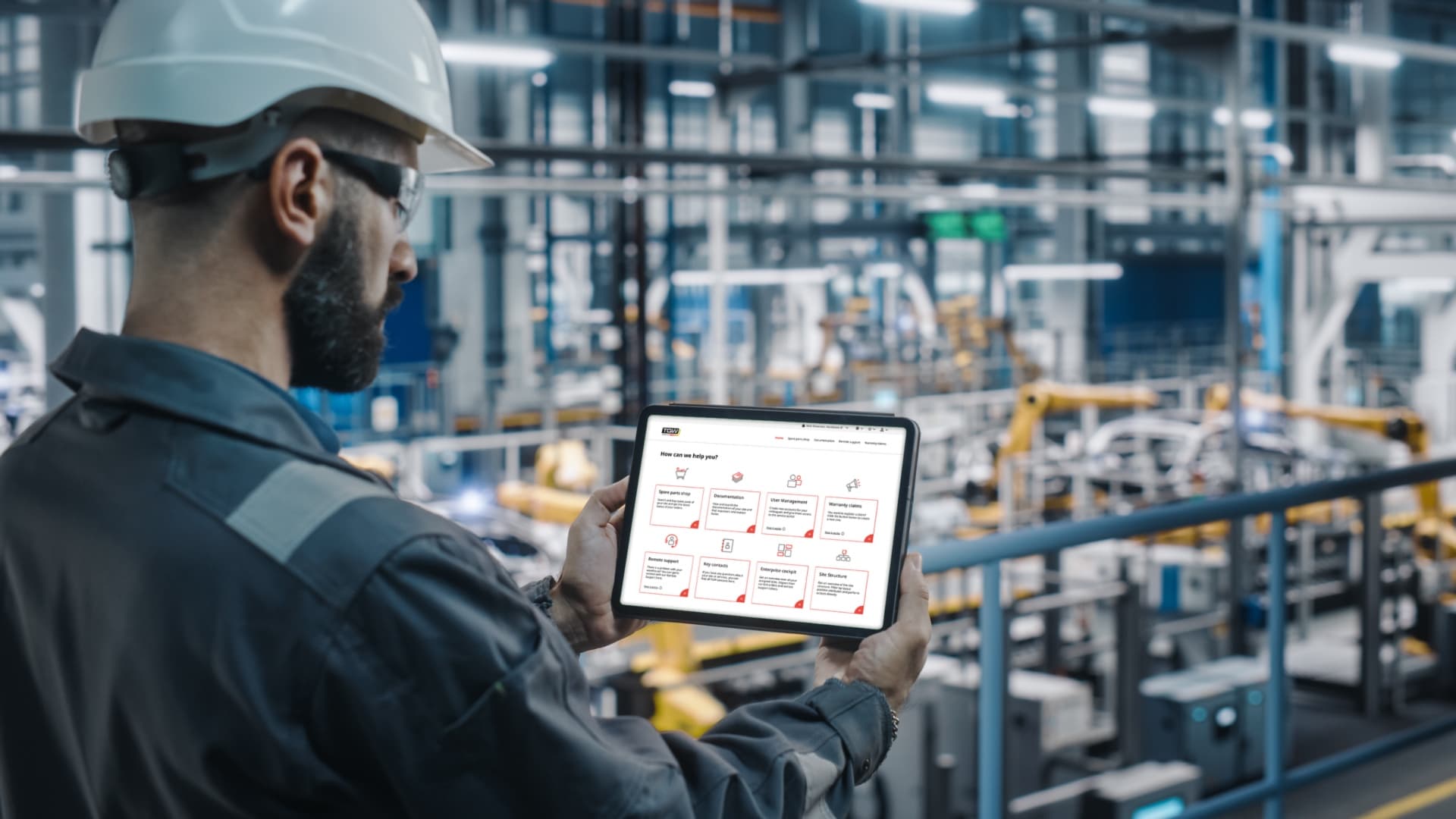



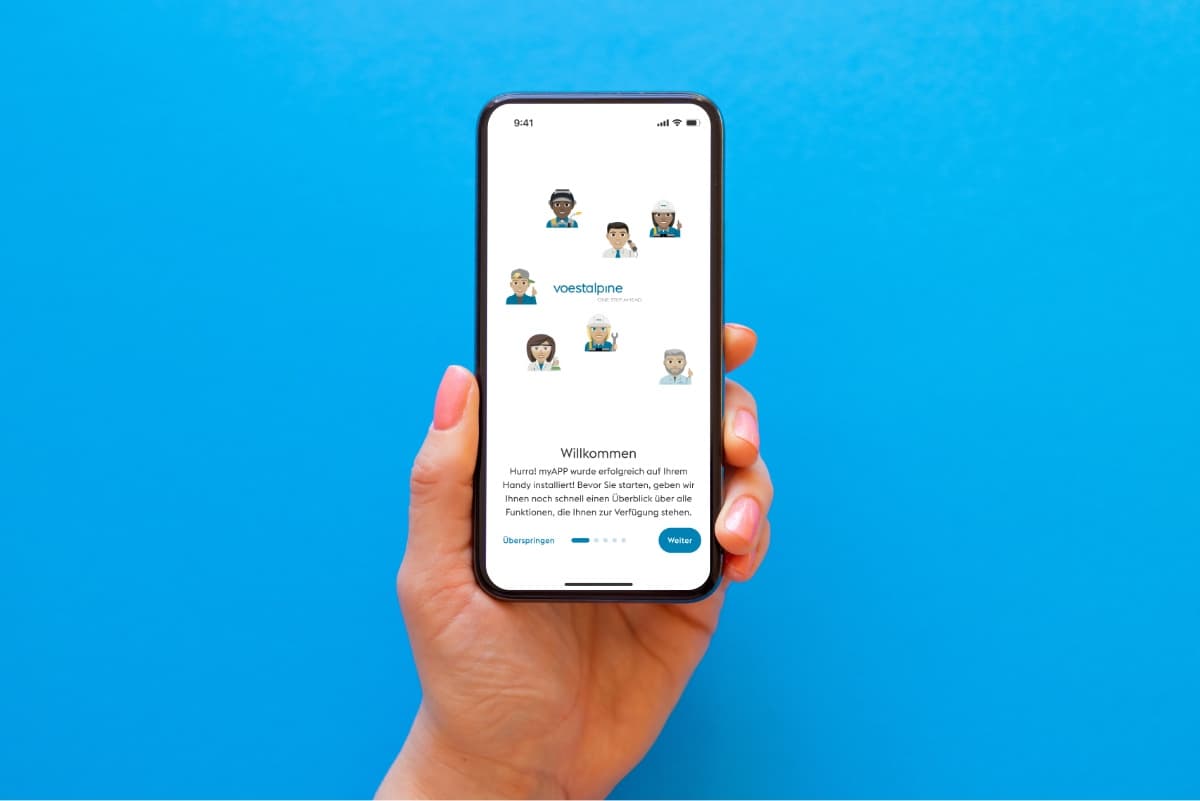
voestalpine myAPP reaches 12,000 employees with central information and strengthens cohesion
For voestalpine, Cloudflight created myAPP – a tailored app that connects 12,000 employees worldwide. It delivers central information, safety alerts, and interactive features that make daily work easier and strengthen team cohesion.




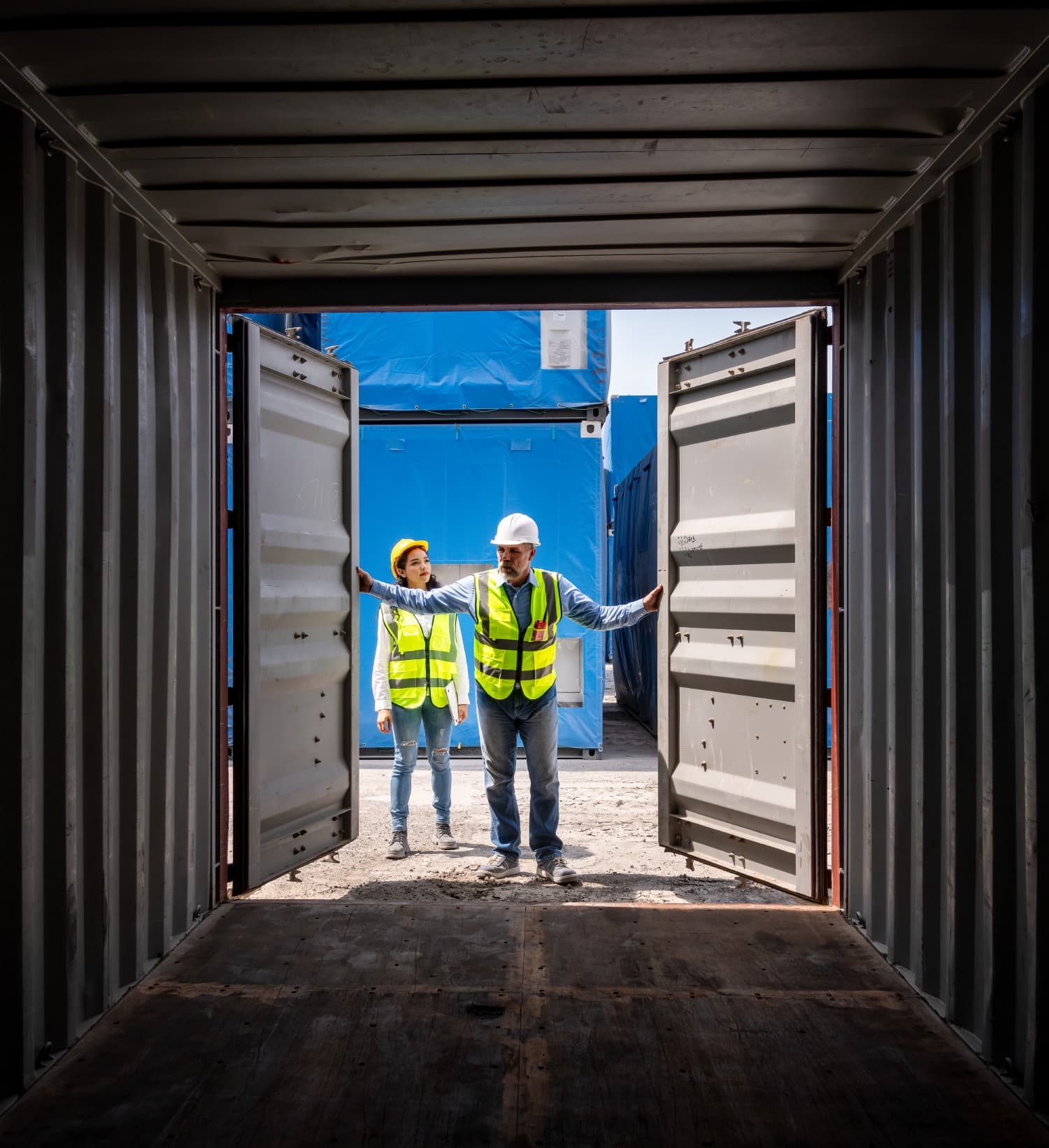
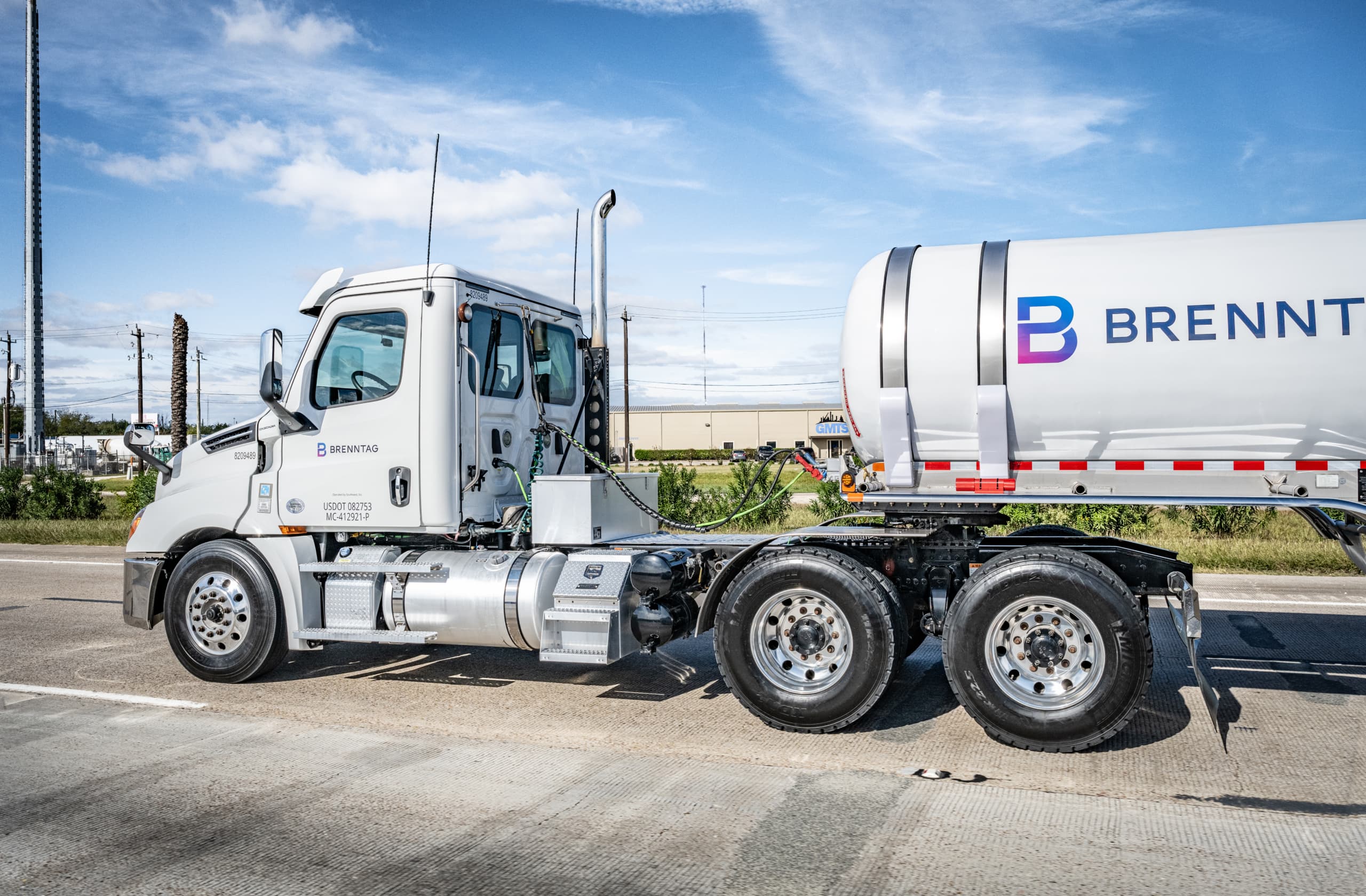
From complexity to order: Containex’s end-to-end partner portal solution
Discover how Containex revolutionized its operations and enhanced client interactions by implementing a custom partner portal. This innovative solution not only cuts down on internal effort but also empowers businesses to seamlessly buy and rent modular buildings and containers, setting new standard