New study: The Agentic AI gap
Read now
Agile Software Development
Seamless integration within existing hardware
From feasible app development to consistent user experience and smooth operation

Redefining existing processes for further development reduction
With sustainability and functionality in mind, Cloudflight developed and implemented a new app, that operates with the same workflow as before. This app allows Spar not only to extend the life-span of the old hardware but also to reduce the development effort in the future.
Spar stores use the app to collect article data
users per day
unique users in total
The challenge
One scanner, multiple implications
We had to transfer the functionality of SPAR’s Enterprise-Resource-Planning system (ERP) to a mobile application running on scanner devices running WinCE and Android. However, this sounds simple only on the surface, because:
• The ERP system had a web interface that was not optimized for mobile devices.
• There was a .NET based app for the old scanners with numerous functionalities.
• It was possible to acquire only new scanners with Android-OS, which cannot run a .NET-based app.
• For cost and sustainability reasons, the old scanners had to remain in operation for as long as possible. They had to be replaced only occasionally (e.g. in case of a hardware failure of an individual device).
The solution
Beyond hardware and OS: Seamless integration
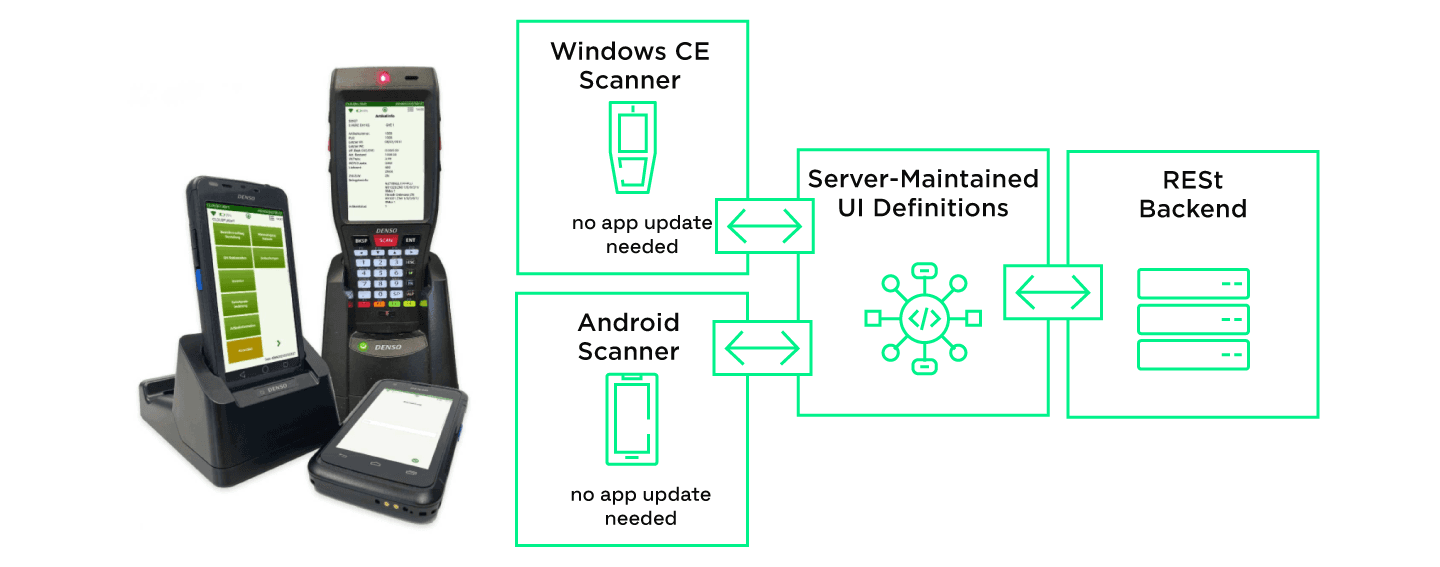
We implemented server-maintained UI definitions that serve as a common ground, both visually and functionally, for any of the operating systems that are running the app. With these UI definitions, we were able to define the UI and its functionality in a reusable way. The two different versions of the app downloaded the same UI definitions from the backend and interpreted them. The result? The user sees the exact same application, regardless of the hardware being new or old.
In case of new features or bug fixes, there was no need to deploy a new app version: A new backend version with the correct UI definitions was sufficient to let the app update itself.
Nevertheless, after implementing the UI definitions, we had to implement interpretation and builders specifically for both operating systems running the app. So, with these new back-end-served UI definitions, these efforts pay off in multiple ways: they extend the lifespan of the old hardware, require less training since employees have a consistent user experience, and require also less development effort for new features.
Should SPAR want to integrate an additional scanner platform with another OS in the future, we would need to implement only the interpreter and builder of the UI definitions. Why? Because the UI structure and functionality are provided by the backend. In the end the users experience the same UI on the new OS as on all the other platforms.
Long story short, we focused on delivering a state-of-the-art backend (REST API), that can support both the old legacy devices and the new devices. If you are also looking for an agile partner to develop a feasible app to avoid client updates, contact us and let’s talk!

SPAR
SPAR Austria is a 100 percent privately owned family business that operates in the Austrian supermarket & grocery industry. SPAR is the largest private Austrian employer and, with the neighboring countries of Northeast Italy, Slovenia, Hungary and Croatia, the SPAR Austria Group now employs a total of around 90,000 people.
Other references
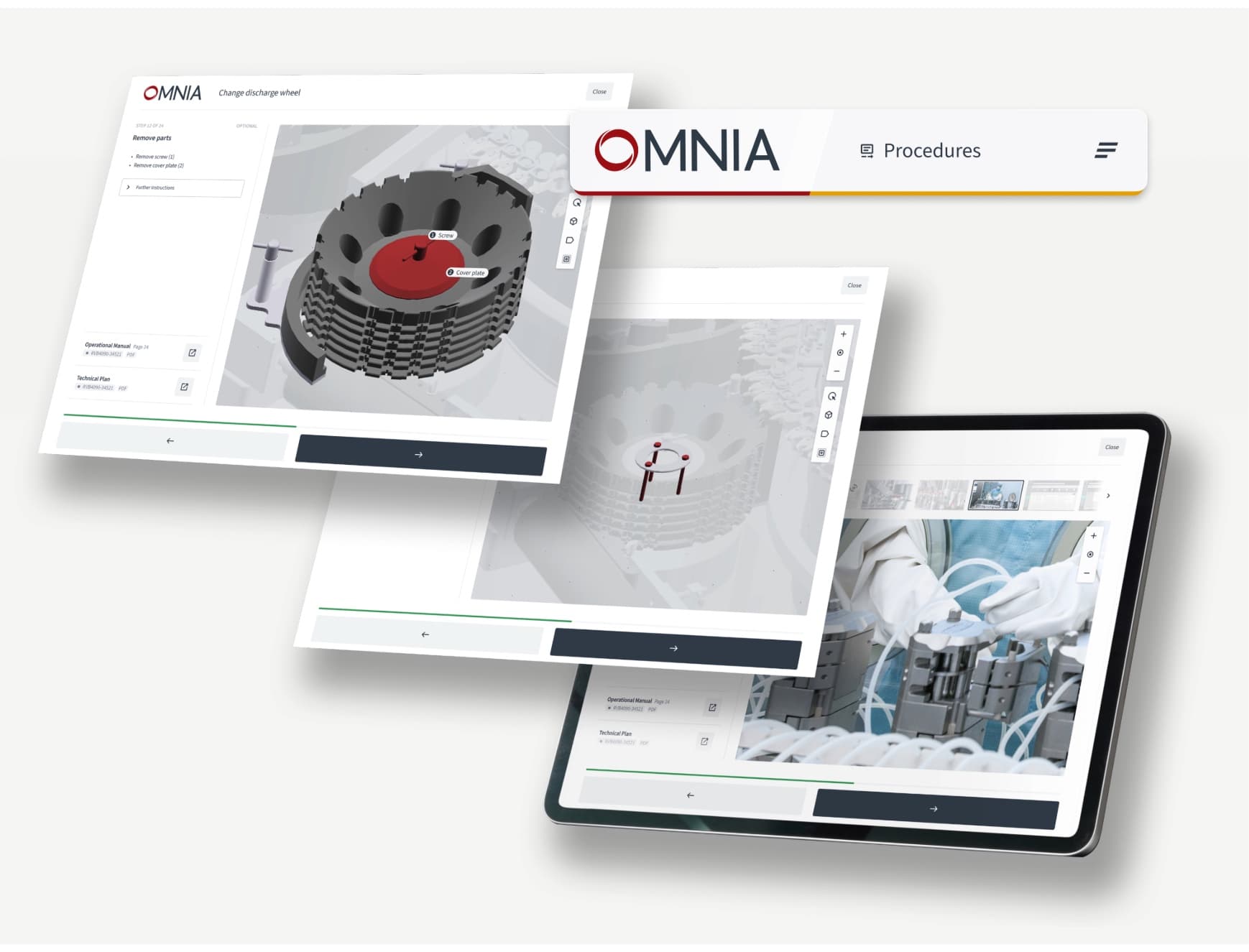
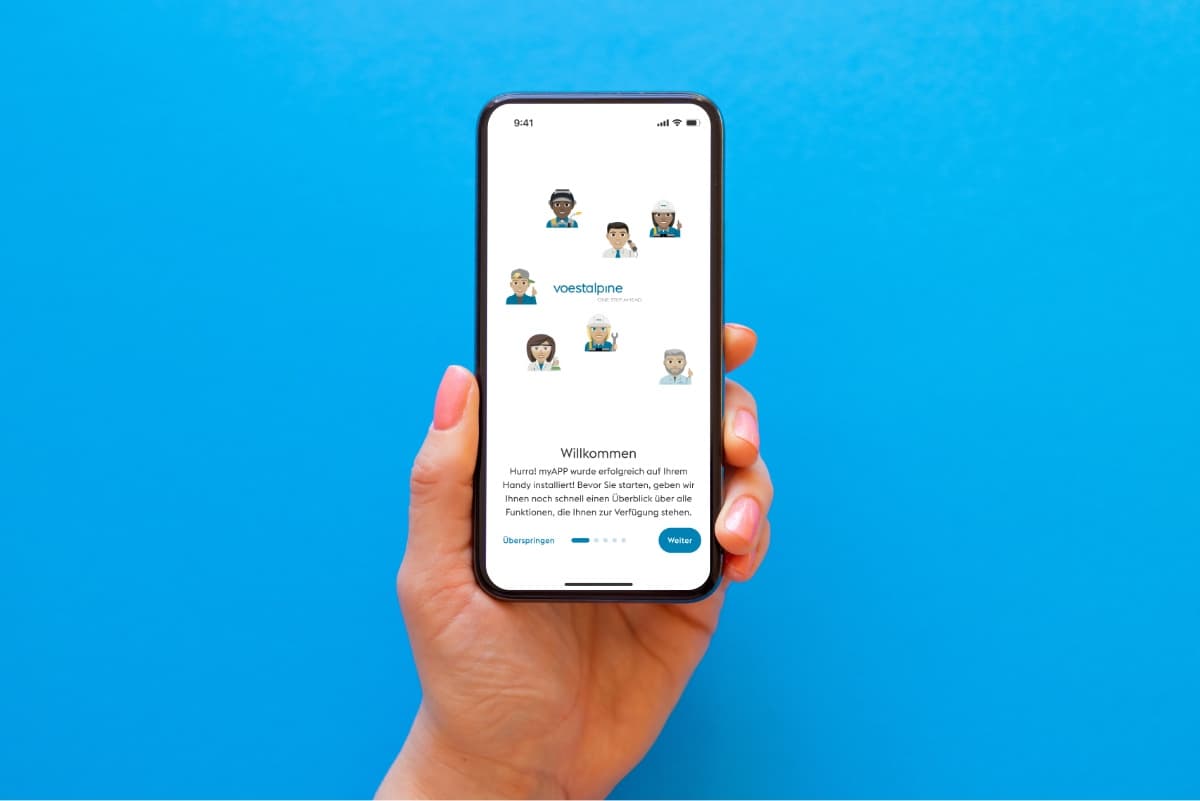
voestalpine myAPP reaches 12,000 employees with central information and strengthens cohesion
For voestalpine, Cloudflight created myAPP – a tailored app that connects 12,000 employees worldwide. It delivers central information, safety alerts, and interactive features that make daily work easier and strengthen team cohesion.





From complexity to order: Containex’s end-to-end partner portal solution
Discover how Containex revolutionized its operations and enhanced client interactions by implementing a custom partner portal. This innovative solution not only cuts down on internal effort but also empowers businesses to seamlessly buy and rent modular buildings and containers, setting new standard
Revolutionizing In-Store Experience
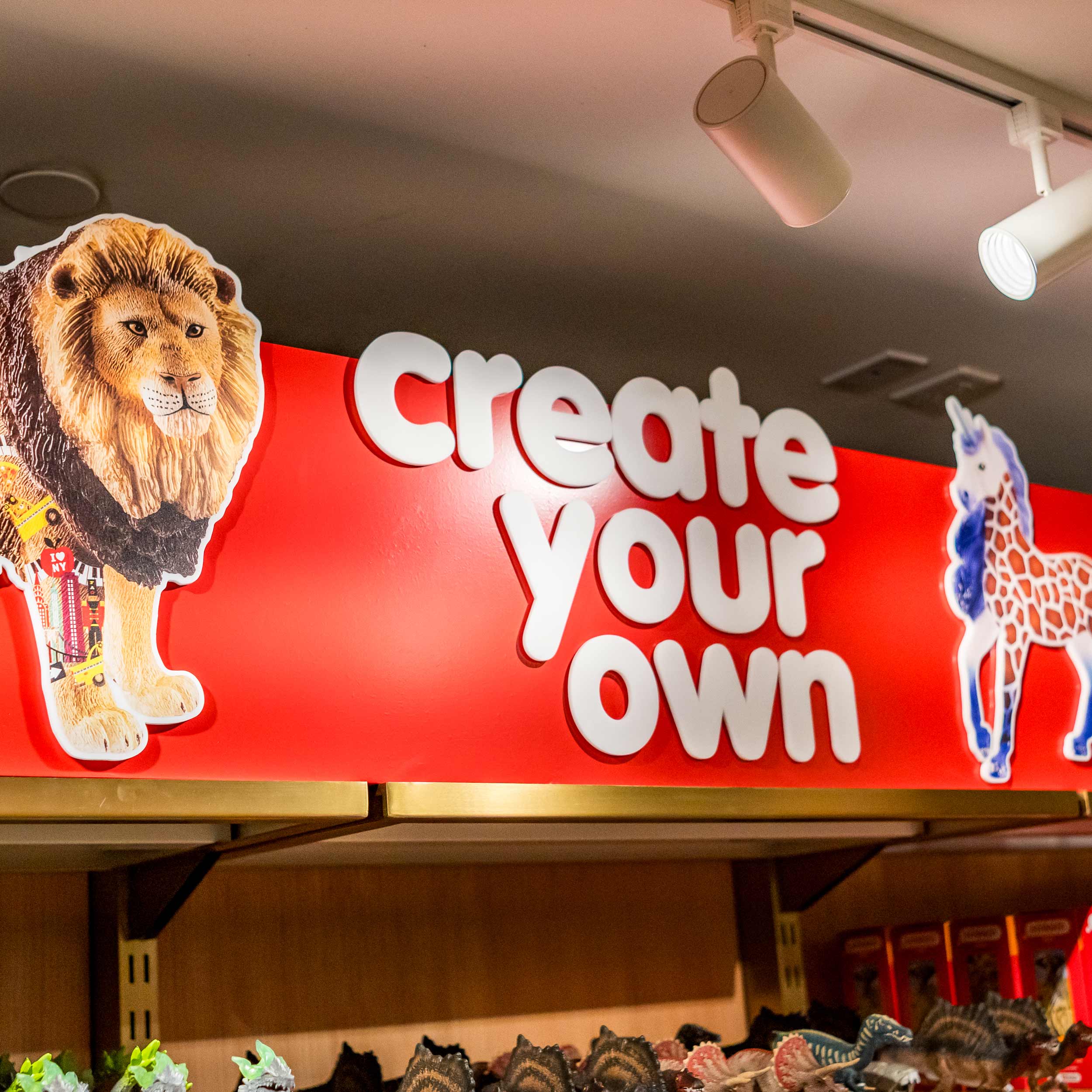
Discover how Schleich, one of Germany's largest toy manufacturers, transformed one of their flagship stores with an innovative interactive app that empowers customers to create personalized figurines. This dynamic solution not only enhances the shopping experience but also seamlessly integrates with

AWS EKS in action: transforming Europe’s leading textile provider
Learn how one of Europeans largest provider of textile solutions gained more agility and efficiency thanks to a new web app based on containers and deployed on a managed EKS cluster. EKS auto-scales to handle traffic & integrates with FluxCD pipelines for automated deployments.
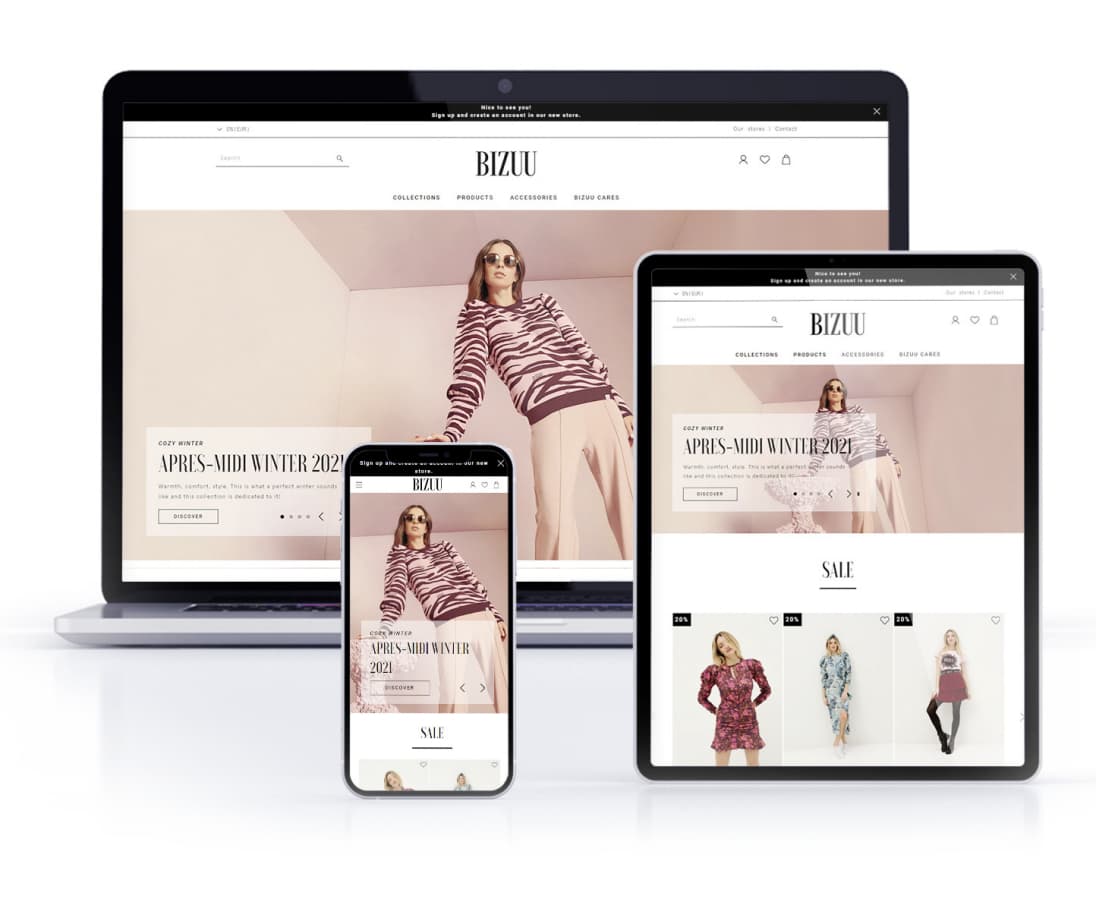


BÉBÉ Concept’s seamless migration to Shopify Plus
BÉBÉ Concept is a women-driven brand offering a curated selection of products for mothers, children, and families, combined with expert insights on parenting and child development, all supported by a seamless migration to Shopify Plus and the integration of PIM Akeneo.