New study: The Agentic AI gap
Read now
A digital twin that ensures uniform incineration conditions
Data-driven optimization of hazardous waste utilization
Sewage sludge and hazardous waste are used to generate electricity and heat for hundreds of thousands of Viennese households.
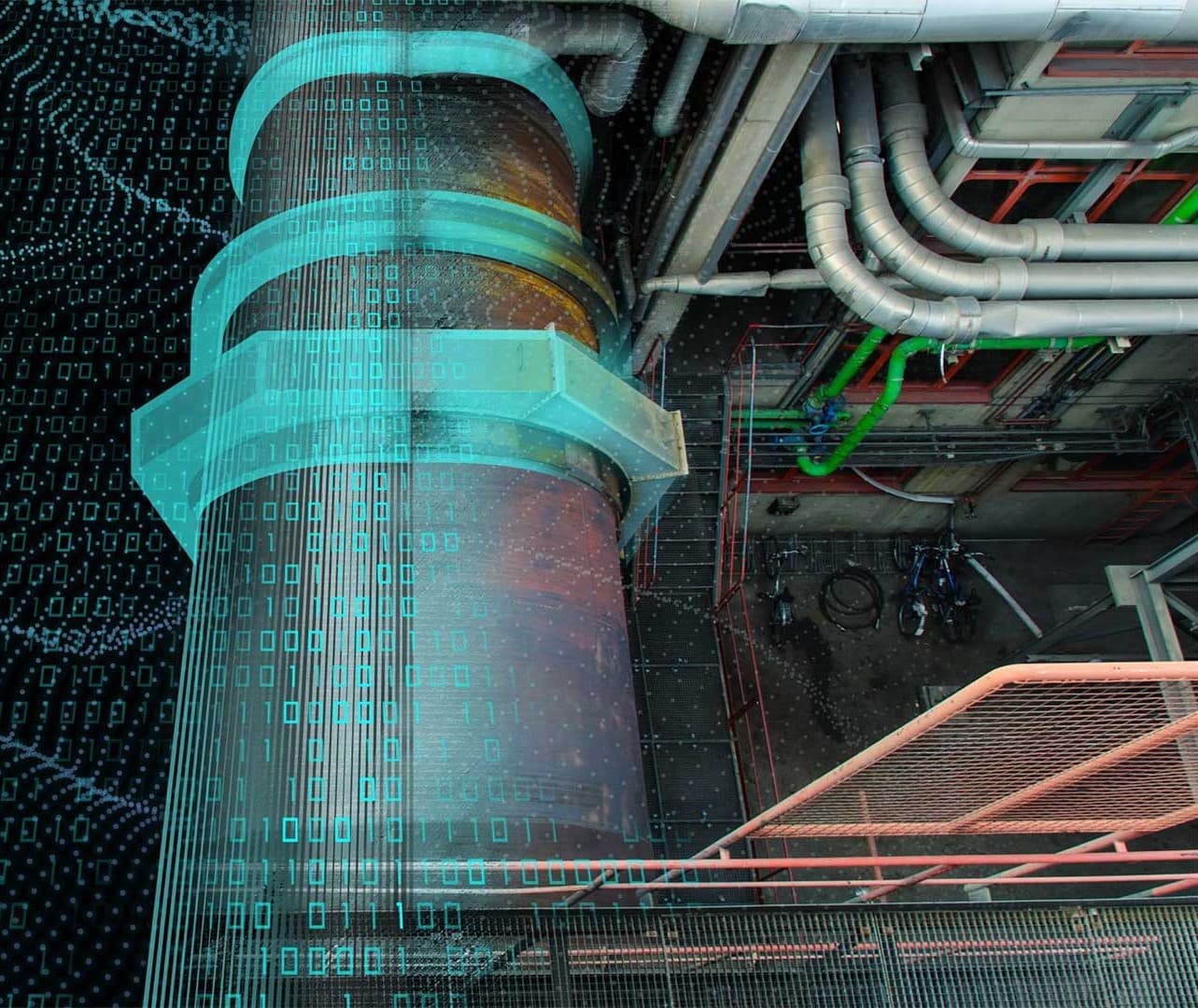
Whether waste oil or shredded barrels: the fire keeps burning.
A turbine converts the energy released when the hazardous waste is burned into electricity. Wien Energie uses the heat directly for the city’s heat supply.
The challenge
Low-residue incineration despite variable waste composition
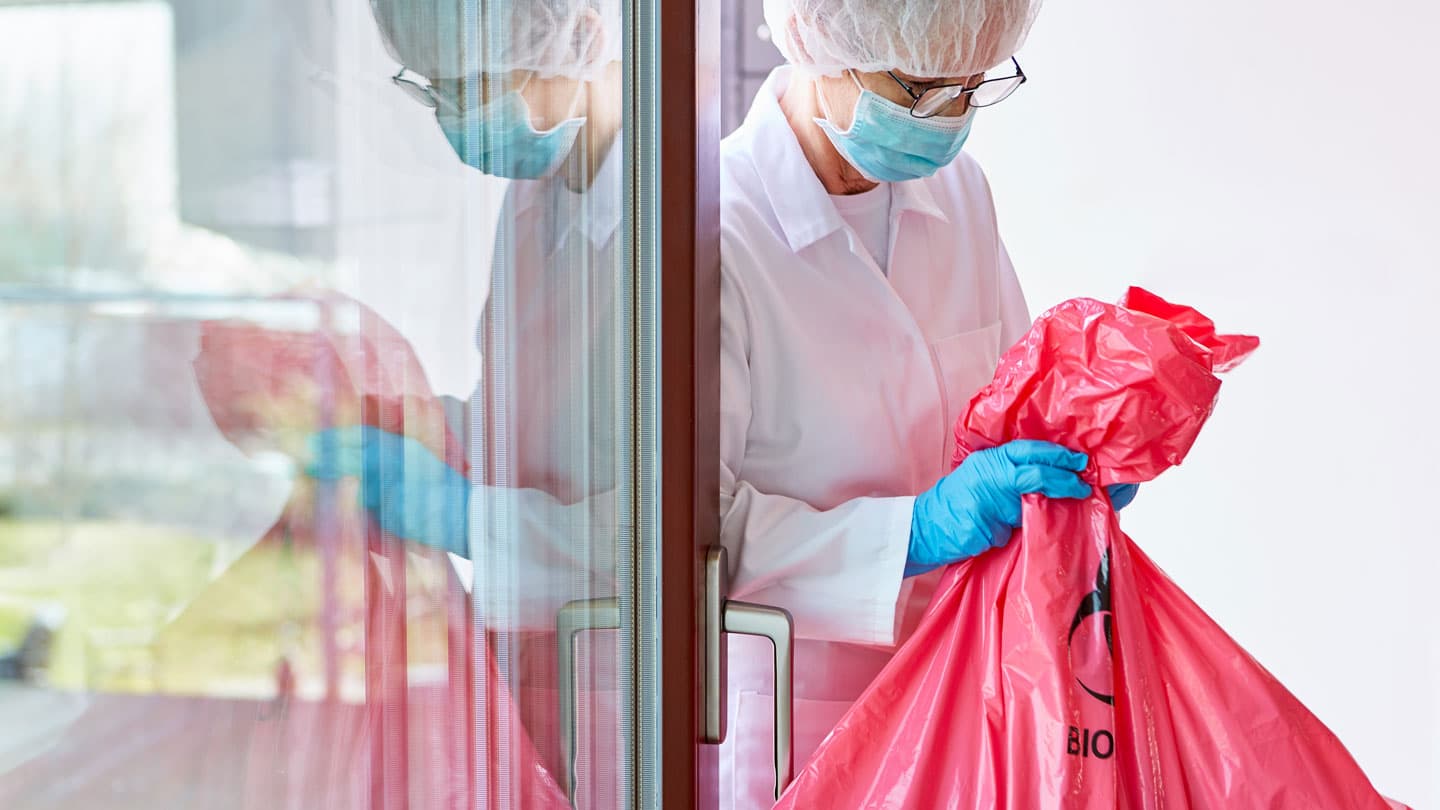
Regardless of whether hospital waste, solvent mixtures, waste oil or something else is being fed into the incinerator, the incineration process must continue at several hundred degrees Celsius. Not so easy, because the delivered hazardous waste cannot be checked beforehand for its exact composition and thus for its thermal and calorific material properties.
In the two cylindrical rotary kilns, the waste is rotated slowly at a slight gradient to ensure that the different types of waste are incinerated as evenly as possible and with as few pollutants as possible.
The solution
Sensor data optimize process control and operating efficiency
A digital image of this rotary kiln was designed to simulate the incineration process in a dynamic-physical model.
We use the delivery data and the sensor data measured in the real world as input for the dynamic-physical model. We match the measured sensor data with the simulated sensor data. This allows us to characterize and systematize the fed waste compositions and their incineration behavior. Big data and machine learning algorithms help to build a database and gain insights into the delivered waste to improve process control and operational efficiency.
The digital twin creates enormous optimization potential. With permanent monitoring, deviations such as faulty measurements and sensors can be detected at an early stage. Temperature peaks sometimes lead to failures. Because these become less frequent thanks to seamless monitoring, downtimes could be reduced by up to 25%. This would result in around 500 tons less CO2 emissions per year due to the lower fossil fuel oil consumption in the heating process after shutdowns.
Our project partners

Wien Energie
Wien Energie supplies energy to two million people and 230,000 commercial and industrial facilities. Electricity and heat production comes from renewable energy sources such as solar, wind and hydropower as well as biomass, waste recycling and combined heat anie zd power. With a turnover of 1,948.1 million euros and 2,167 employees (2020), Wien Energie is one of the 30 companies with the highest turnover in Austria.

Vienna University of Technology
TU Vienna has been an institution for research and education for more than 200 years. In the Thermal Twin 4.0 project, a team of experts from the Institute of Process Engineering, Environmental Engineering and Technical Biosciences is developing the general rough classification of input streams in terms of thermal properties and the partial models of the combustion processes.

Enrag
Enrag provides customized digital twin software development for engineering applications. In this project, Enrag integrates all submodels to create an equation-based digital twin of the entire plant.
Other references
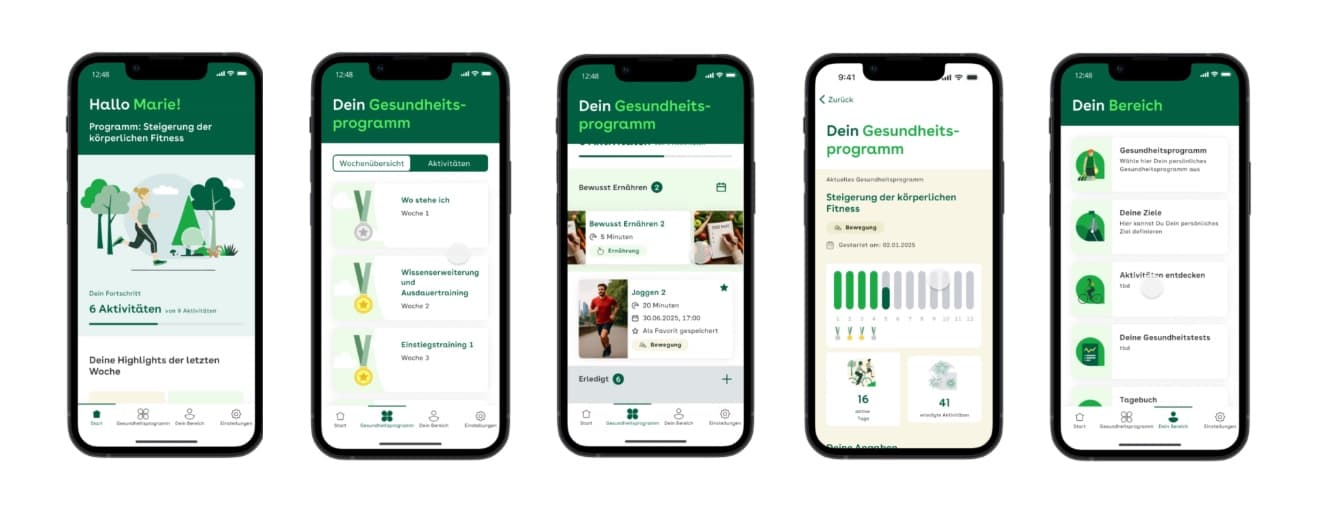
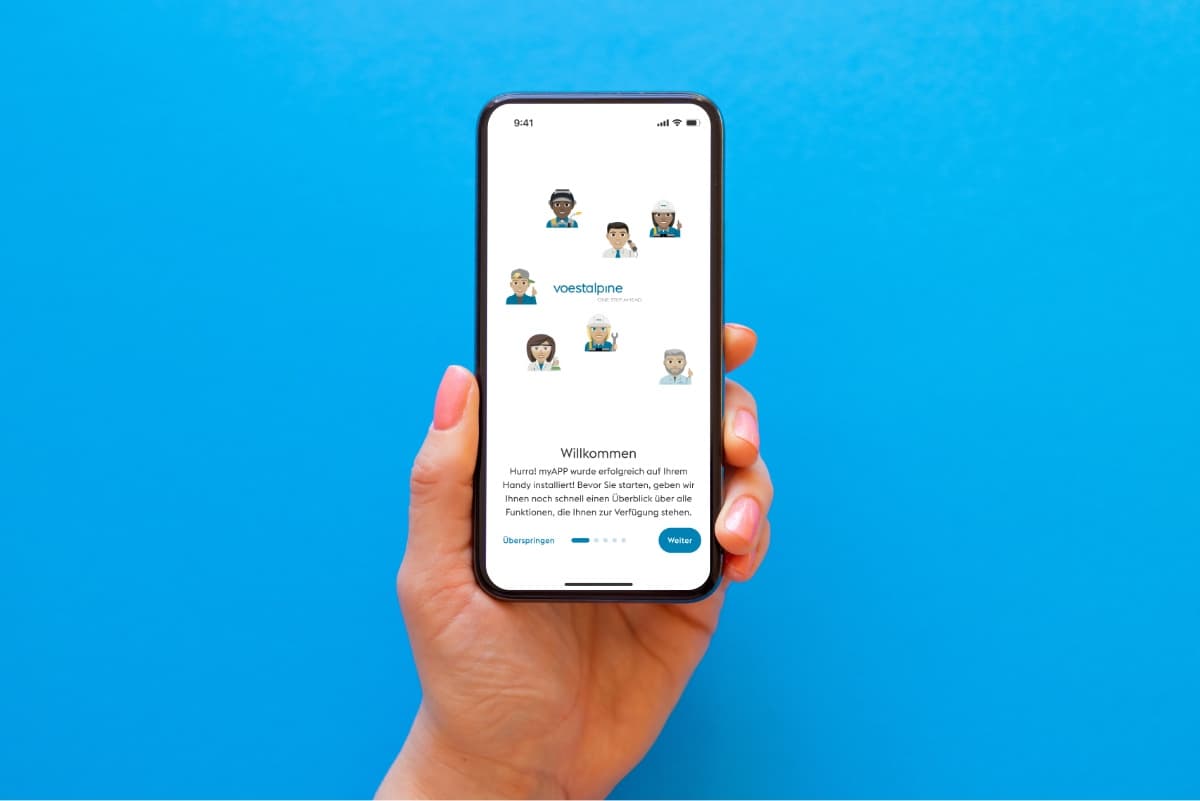
voestalpine myAPP reaches 12,000 employees with central information and strengthens cohesion
For voestalpine, Cloudflight created myAPP – a tailored app that connects 12,000 employees worldwide. It delivers central information, safety alerts, and interactive features that make daily work easier and strengthen team cohesion.




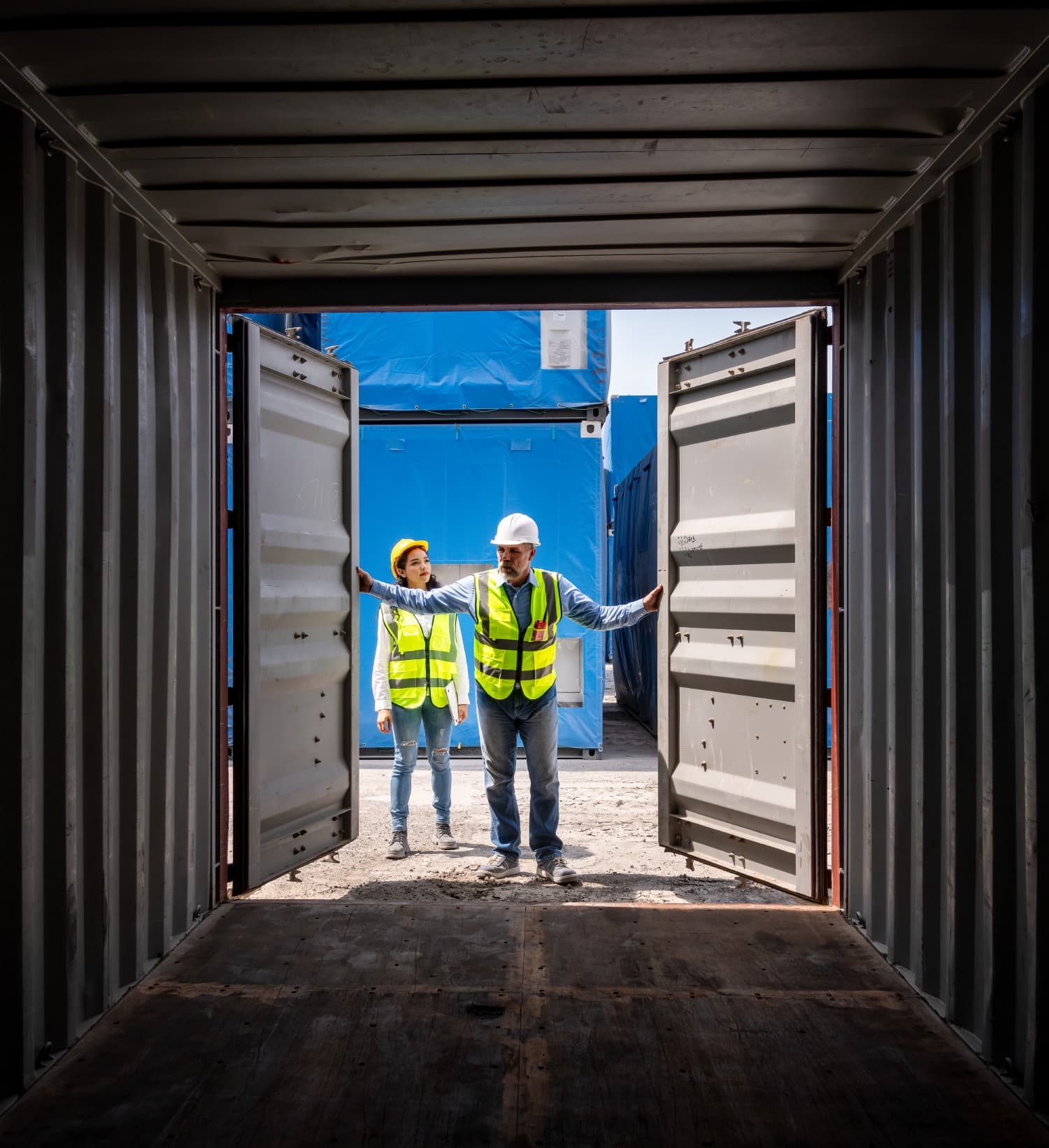
From complexity to order: Containex’s end-to-end partner portal solution
Discover how Containex revolutionized its operations and enhanced client interactions by implementing a custom partner portal. This innovative solution not only cuts down on internal effort but also empowers businesses to seamlessly buy and rent modular buildings and containers, setting new standard
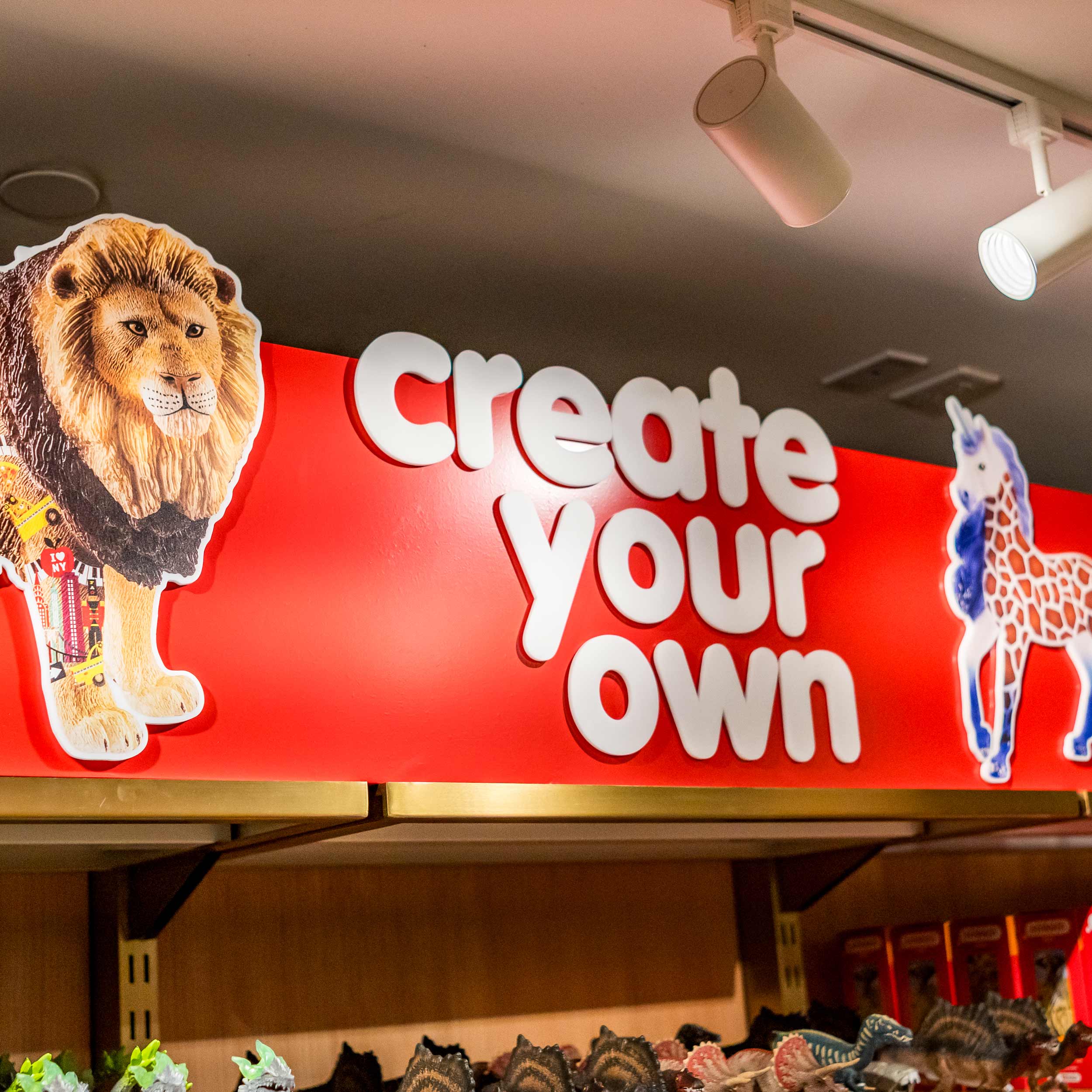
Revolutionizing In-Store Experience
Discover how Schleich, one of Germany's largest toy manufacturers, transformed one of their flagship stores with an innovative interactive app that empowers customers to create personalized figurines. This dynamic solution not only enhances the shopping experience but also seamlessly integrates with

AWS EKS in action: transforming Europe’s leading textile provider
Learn how one of Europeans largest provider of textile solutions gained more agility and efficiency thanks to a new web app based on containers and deployed on a managed EKS cluster. EKS auto-scales to handle traffic & integrates with FluxCD pipelines for automated deployments.


BÉBÉ Concept’s seamless migration to Shopify Plus
BÉBÉ Concept is a women-driven brand offering a curated selection of products for mothers, children, and families, combined with expert insights on parenting and child development, all supported by a seamless migration to Shopify Plus and the integration of PIM Akeneo.