We put together a multi-disciplinary team to support GHGKit (Keep It Traceable), a project that supports the reporting of Austrian greenhouse gas (GHG) emissions.

The project fits in the context of Europe’s goal to reduce at least 55% of GHG emissions by 2030, as established in the Paris Agreement by the United Nations Framework Convention on Climate Change (UNFCC).


The project uses remote sensing technology to gather more detailed information and develop an independent system for conducting quality assurance checks on all GHG inventory reports.


This will enhance current GHG reporting processes and Austria will be better able to ensure that all government-led initiatives aimed at curbing greenhouse gas pollution are based on reliable figures. 


This project was also featured in Austria’s biggest online publication. Read it here.
The Challenge

Aligning the team and choose the right target

What if we could bring a diverse group of specialists on the same page in 2 days?

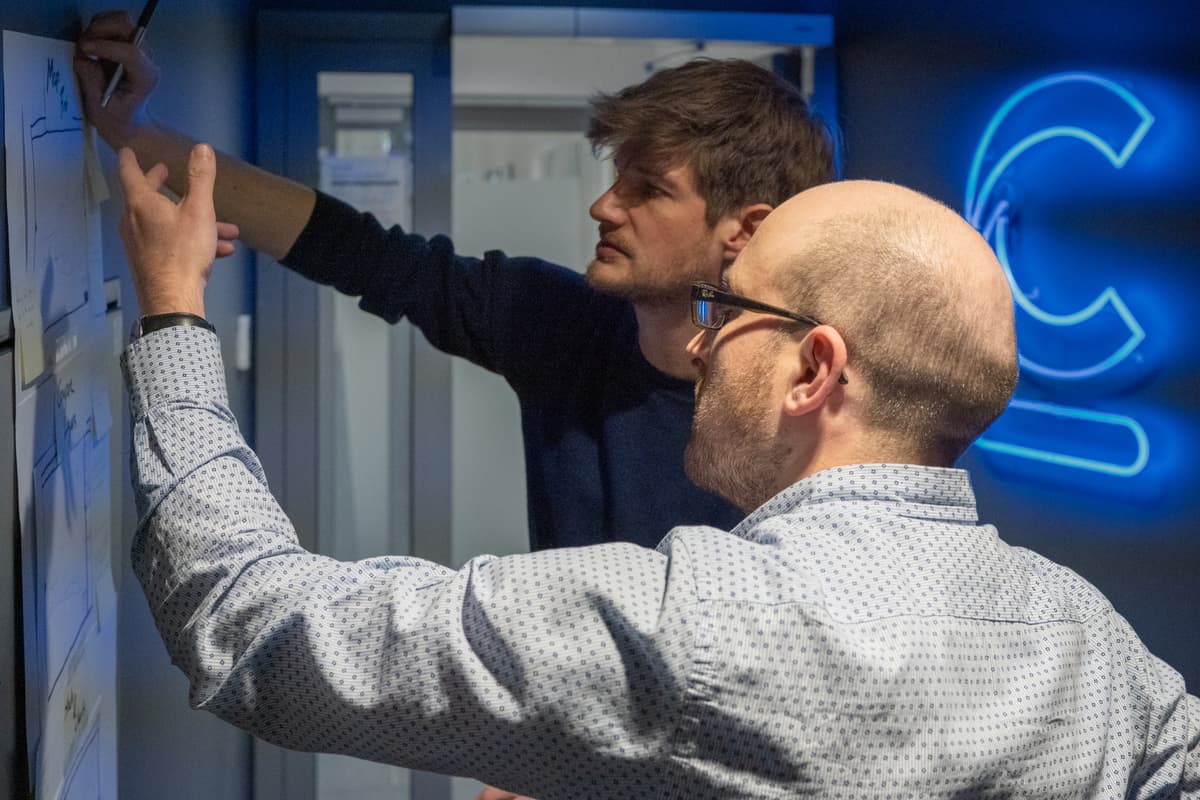
In complex projects, one of the biggest challenges that teams face is achieving alignment among the various experts involved.

In a team made of people with diverse backgrounds and areas of expertise, it can be difficult to get everyone on the same page and working towards a shared goal. Thus, it becomes important to have a clear and shared understanding of the project goals, timelines, and deliverables.

Regular communication and collaboration, such as daily stand-up meetings and cross-functional team sessions, are essential here

The Solution

Design Sprint Process

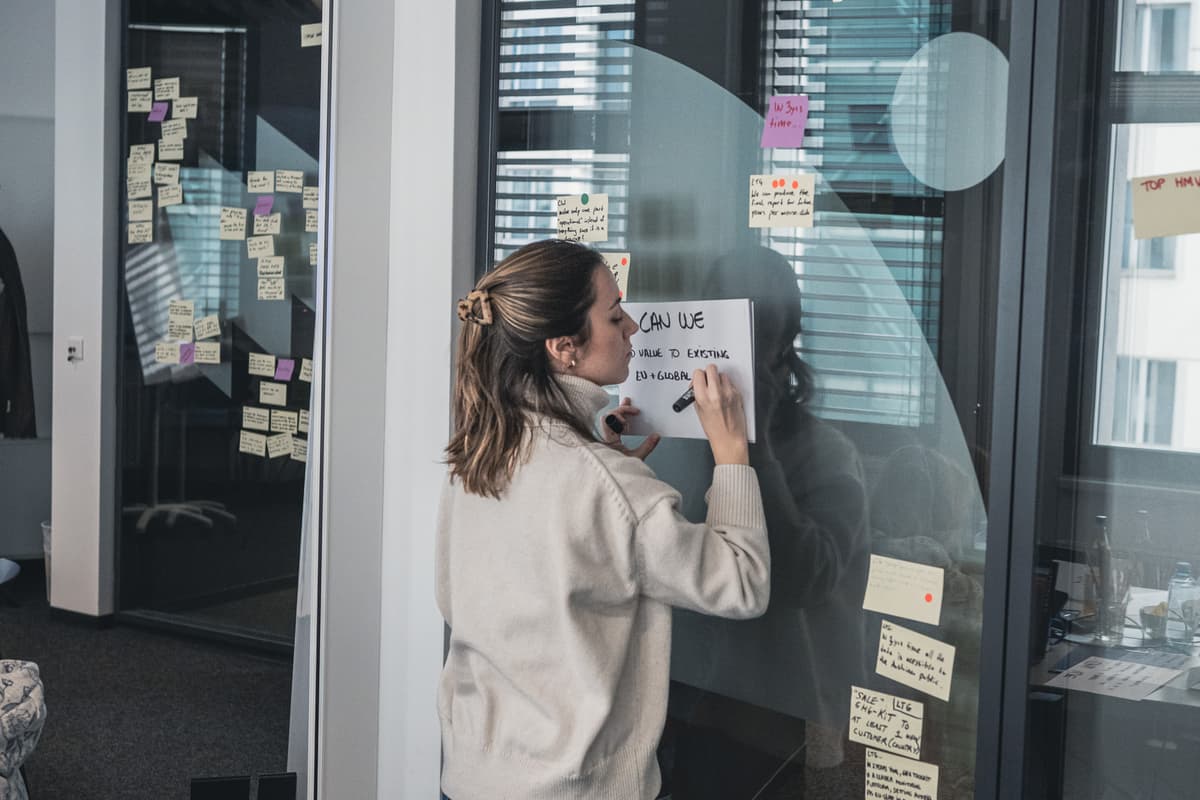
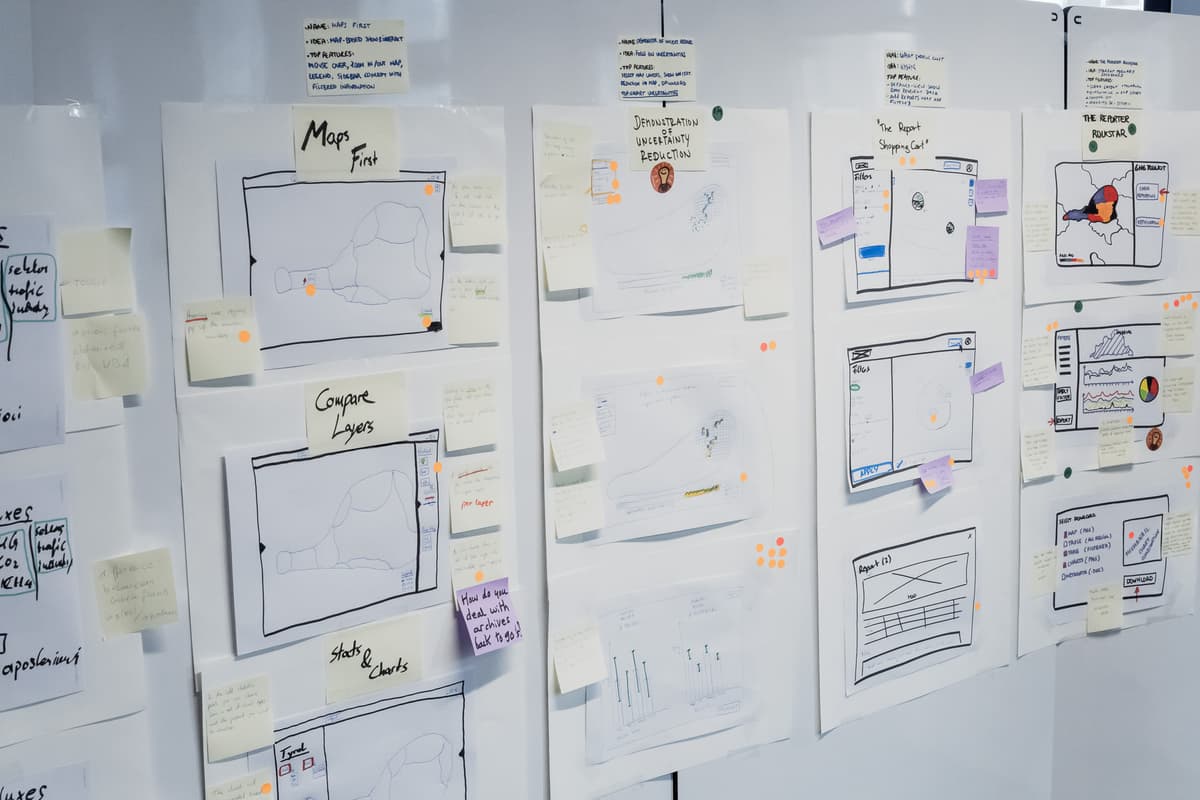
To get the team aligned we conducted a 4-phase process utilizing design thinking methods, rapid prototyping, and usability testing.

This structured process is the Design Sprint Methodology, and was developed first by a team working out of Google Ventures.

It involves a series of exercises and activities that aim to spark creativity, explore different solutions, and ultimately converge on a prototype that can be tested and validated with real users.

Due to time constraints on each one's availability, we decided to conduct a shortened version like Design Sprint 2.0 developed at AJ&Smart – who took the original process and refined it for organizations that don't necessarily have time to commit an entire week for a workshop.

The team then set clear goals and objectives for the deliverables and agreed on what success looks like.

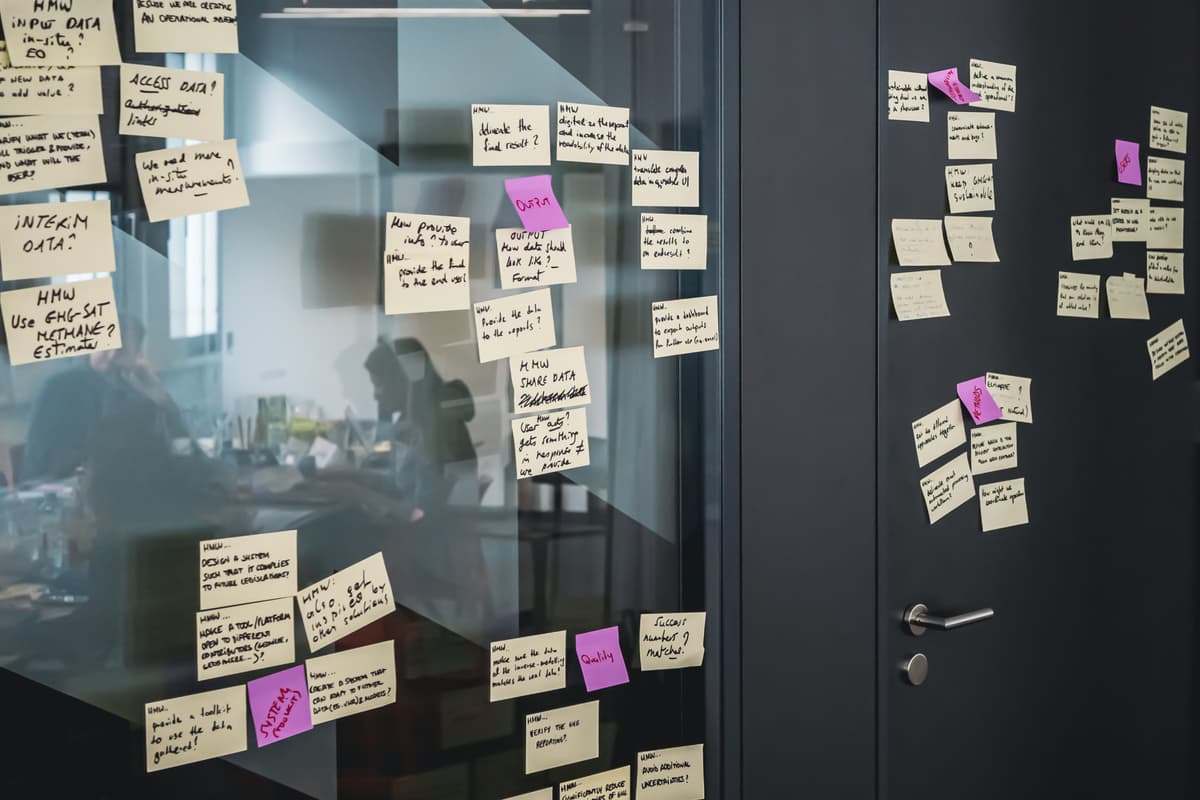
The next step was to engage in ideation and brainstorming activities to generate a wide range of ideas and inspirations to solve the defined key problem.

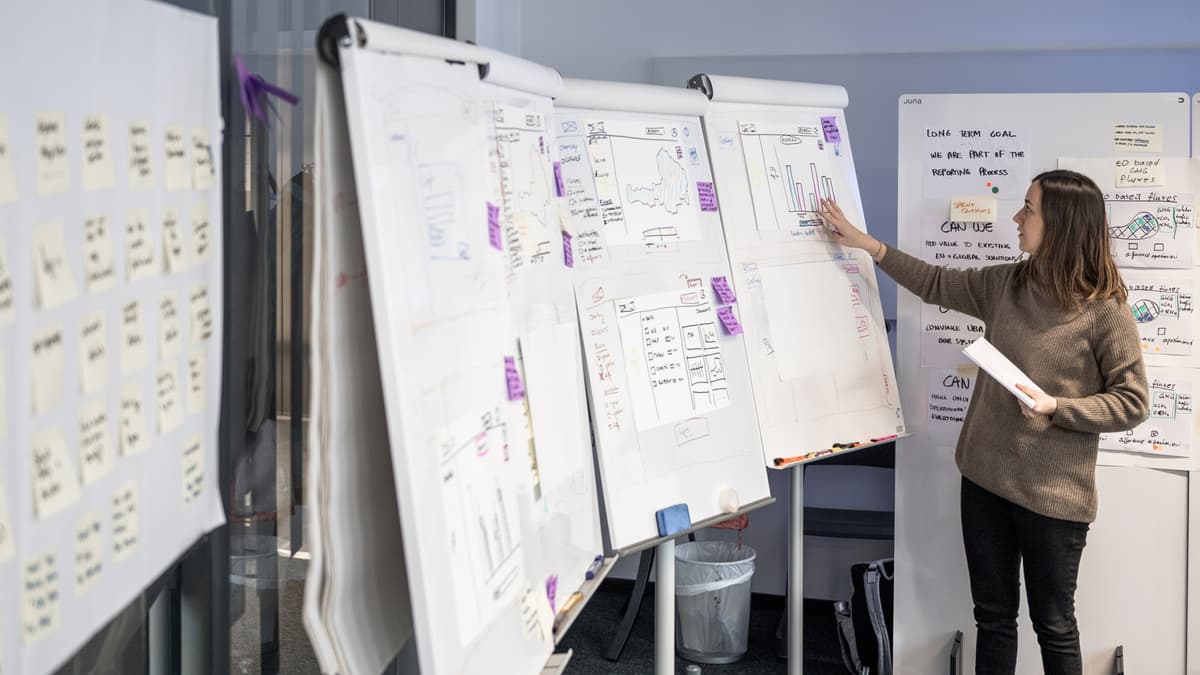
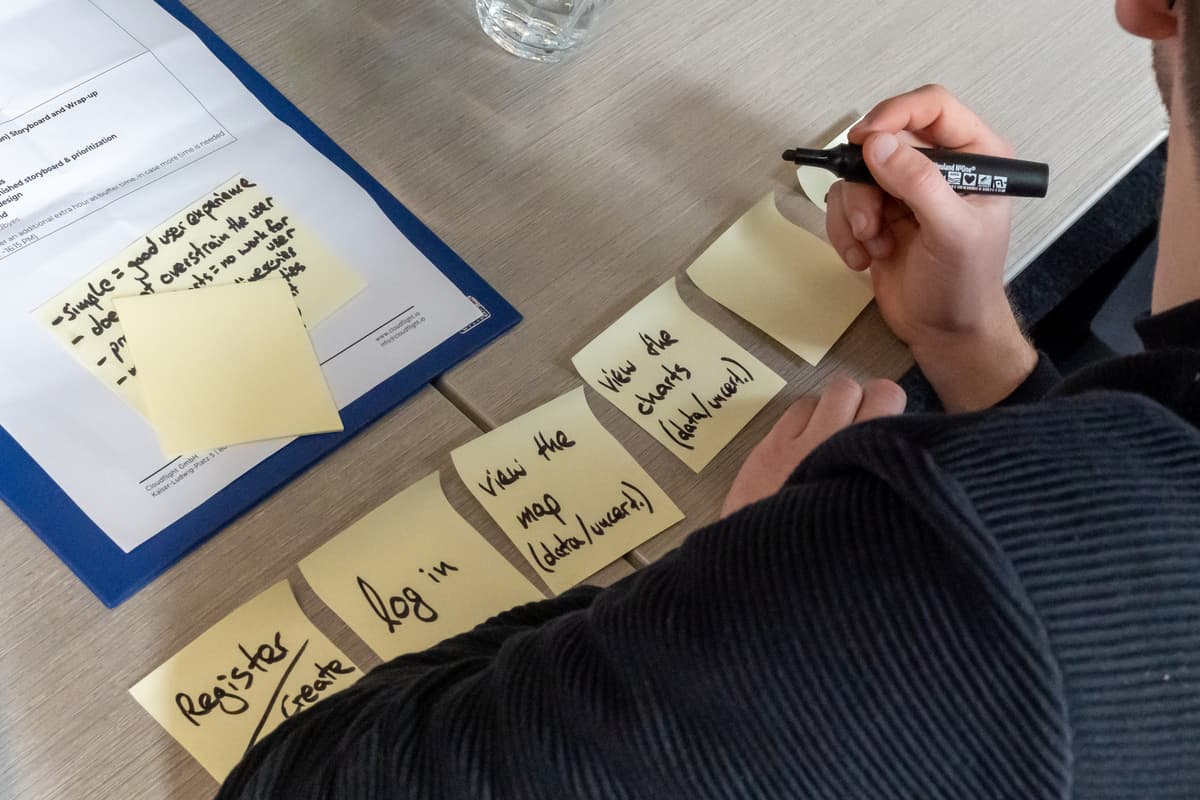
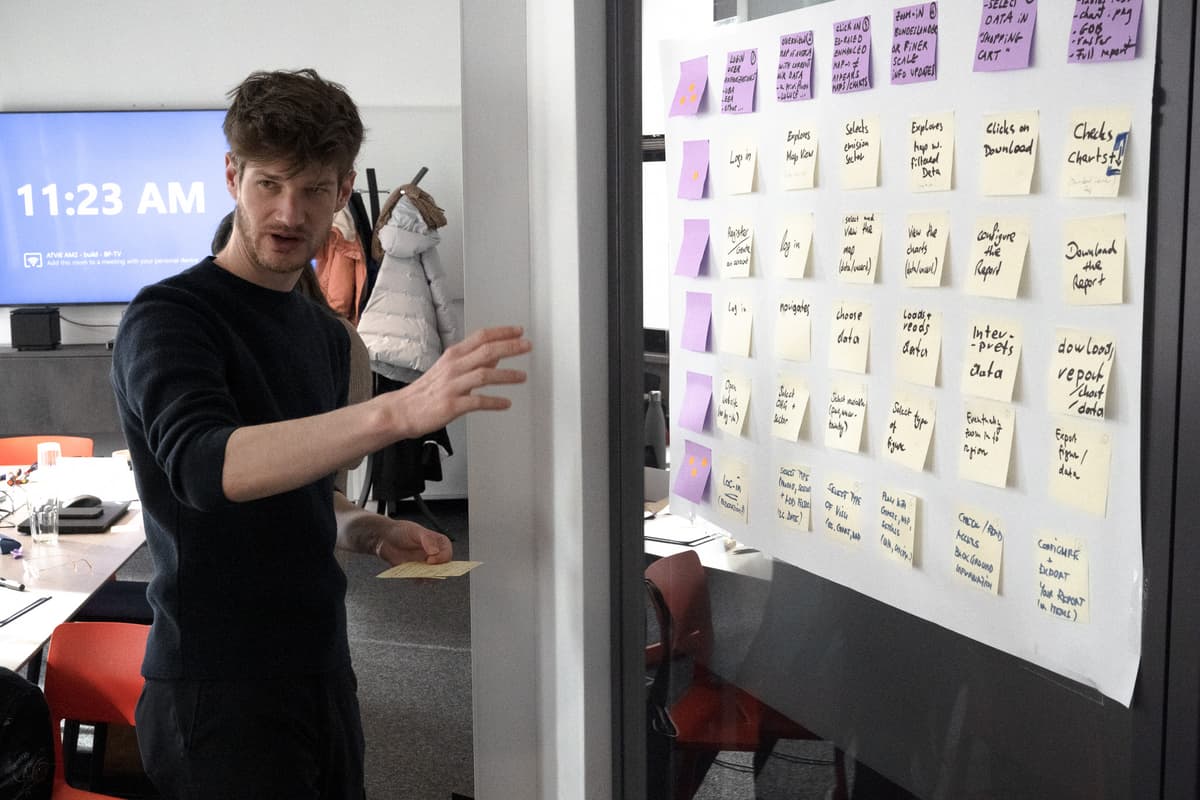
After two days, we defined the most important Sprint Goals and Sprint Questions and specified a user test flow and a low-fidelity prototype to validate our hypothesis.

This was basically when the two days workshop ended and the UX Experts took over to create a high-fidelity prototype based on the output of the workshop the following day. This prototype can then be used to demonstrate the proposed solution to stakeholders, the extended team, or various potential end-users to gather further feedback and insights for improvement.

GHGKit

GHG-KIT

GHG-KIT is being developed through a unique cooperation between a multi-disciplinary Austrian industry-science team and international experts: GeoVille, SISTEMA, Cloudflight and the Earth Observation Data Center (EODC), as well as three science partners: GeoSphere Austria, University of Vienna (UNIVIE) and the Technical University of Vienna (TUW).

The project is partly funded by the Austrian Research Promotion Agency FFG under contract number 893432.

Get in touch now

Loading HubSpot form...